








The Bayeux Tapestry: The Missing Story
Published on 13/07/2026
How Appletons Helped Stitch It Back Together:
The Bayeux Tapestry is making headlines once again.
For the first time in almost 1,000 years, this remarkable piece of medieval embroidery has returned to England and will soon go on display at the British Museum, giving visitors a once-in-a-lifetime opportunity to see one of the world’s most famous works of needlework up close.
With so much excitement surrounding its historic return, we thought it was the perfect time to revisit the incredible story behind the Bayeux Tapestry. From its mysterious missing ending to Appletons’ own connection with recreating its lost final chapter, it’s a story that continues to inspire embroiderers around the world.
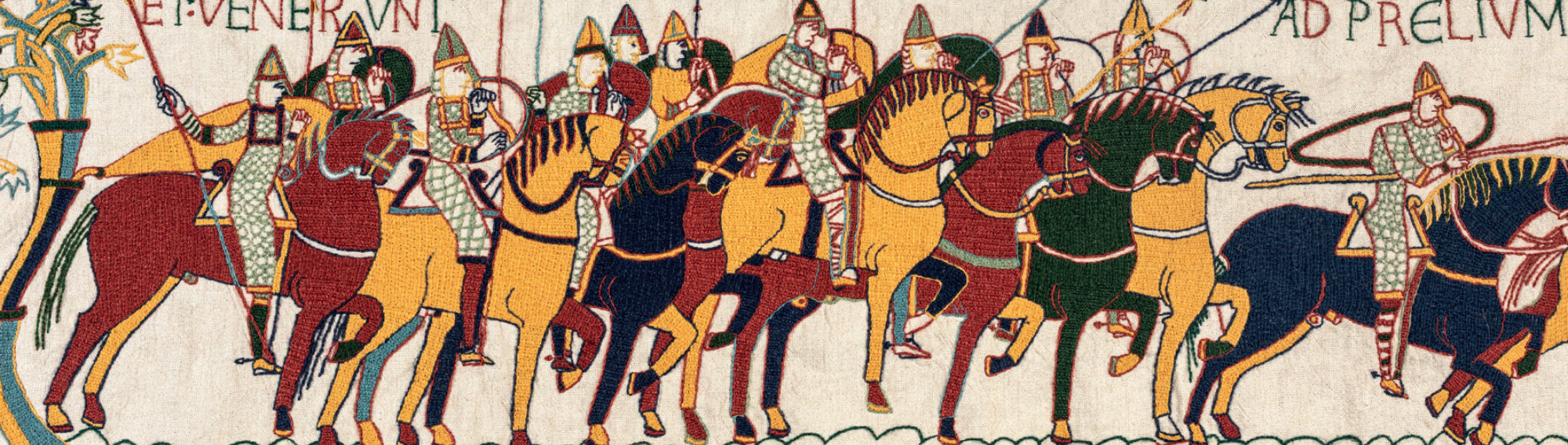
The Bayeux Tapestry has captivated people for almost 1,000 years. Stretching nearly 70 metres in length, this extraordinary embroidered masterpiece tells the story of William the Conqueror’s invasion of England and the famous Battle of Hastings in 1066.
But did you know the story is actually unfinished?
For centuries, historians have believed that the final section of the Bayeux Tapestry has been lost, leaving one of history’s greatest pieces of embroidery without its ending. It’s a mystery that has fascinated scholars, stitchers and history lovers alike.
And, remarkably, Appletons became part of that story.
A masterpiece of medieval embroidery
Despite its name, the Bayeux Tapestry isn’t actually a tapestry at all. It’s an embroidered linen cloth, stitched using wool threads by highly skilled craftspeople in England during the 11th century.
Created shortly after the Norman Conquest, it tells the dramatic events leading up to the Battle of Hastings through a series of beautifully detailed scenes featuring kings, knights, horses, ships and even Halley’s Comet.
It’s one of the world’s most famous pieces of embroidery and remains an incredible example of the skill and artistry of medieval stitchers.
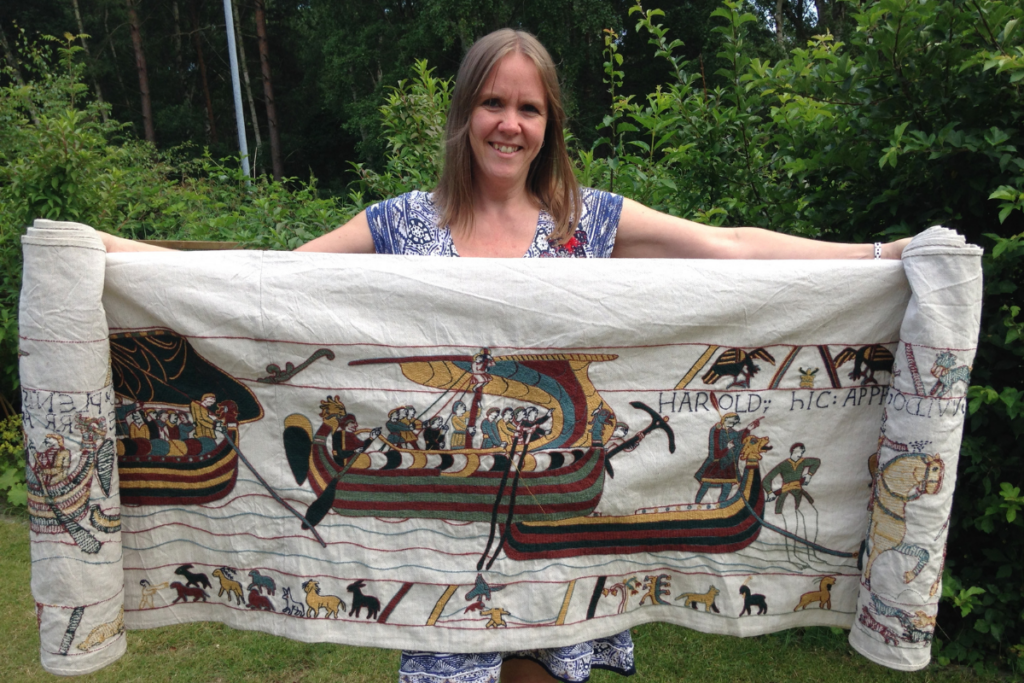
It’s also a source of inspiration for embroiderers today. In fact, one of our recent Stitching Stories features, textile artist Mia Hansson has embarked on her own extraordinary journey to stitch the entire Bayeux Tapestry by hand. Her dedication to recreating this iconic work, one stitch at a time, is a wonderful reminder that the story of the Bayeux Tapestry is still being written by makers around the world.
The mystery of the missing panels
If you’ve ever seen images of the Bayeux Tapestry, you may not realise that it ends rather abruptly.
The embroidery concludes with the Norman victory at the Battle of Hastings, but historians believe that’s not where the story originally ended.
Experts estimate that around 8 to 10 feet (approximately three metres) of the original embroidery is missing. While no one knows exactly when those panels disappeared, most historians agree they almost certainly depicted William the Conqueror’s coronation on Christmas Day 1066 and the beginning of Norman rule in England.
How the ending was lost remains one of history’s enduring mysteries.
The tapestry survived wars, revolutions and centuries of handling. It was removed from Bayeux Cathedral during the French Revolution, transported to Paris during Napoleon’s reign and carefully preserved through turbulent periods of history. Somewhere along the way, however, its final chapter disappeared forever.
Or so everyone thought.
Stitching history back together
In 2012, an incredible community project began on the Channel Island of Alderney with one ambitious goal: to recreate the missing finale of the Bayeux Tapestry.
Drawing on historical research and expert interpretation, hundreds of volunteers worked together to stitch what historians believe would have been the original ending. The completed embroidery depicts William’s coronation and the establishment of Norman rule, providing a fitting conclusion to one of history’s most famous stories.
The finished work was unveiled in 2014 and exhibited alongside the original Bayeux Tapestry in France.
Appletons’ part in the story
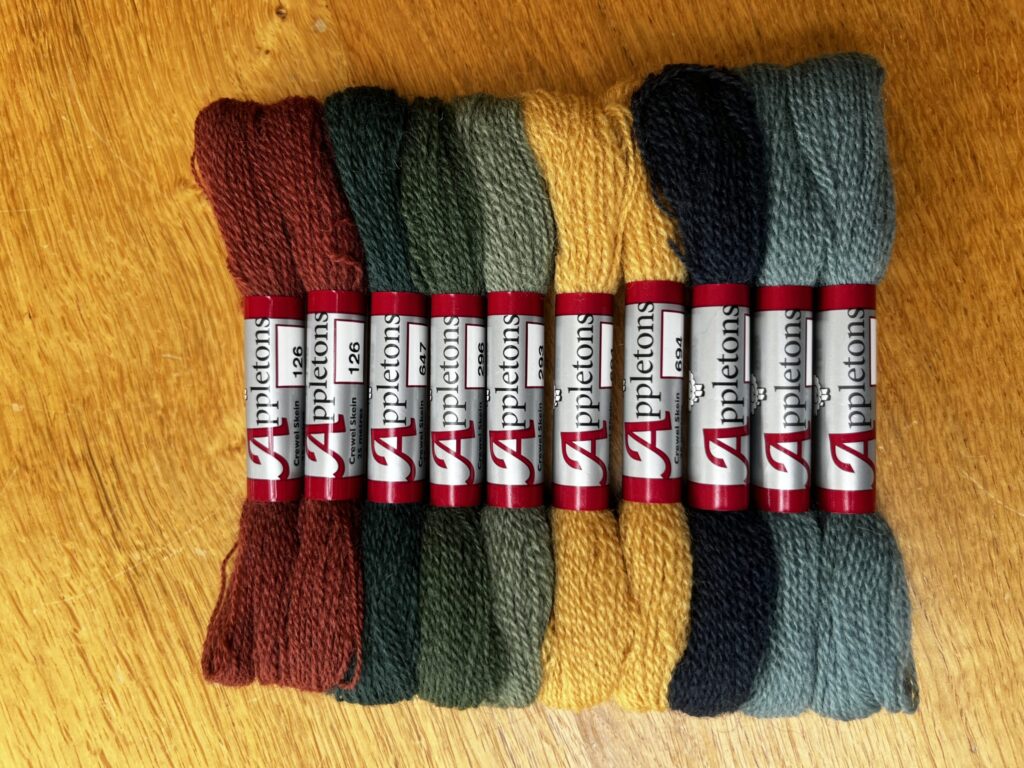
We’re incredibly proud that Appletons wool was chosen for this remarkable project.
When recreating a piece of embroidery with such historical significance, authenticity matters. Every stitch, every colour and every material contributes to honouring the craftsmanship of the original.
For generations, Appletons has been producing British tapestry and crewel wool trusted by embroiderers around the world. Our extensive colour range, exceptional quality and long-standing heritage made Appletons wool the perfect choice for recreating the missing section.
While the original Bayeux Tapestry wasn’t restored or repaired using our wool, it’s wonderful to know that Appletons played a small but meaningful role in helping bring its lost ending back to life for modern audiences.
It’s a connection to our heritage that we’re incredibly proud of.
Keeping the story alive
Projects like the Alderney recreation and stitchers like Mia Hansson show that the Bayeux Tapestry isn’t simply a piece of history locked away in a museum. It continues to inspire new generations of embroiderers who are preserving traditional techniques while creating something truly extraordinary of their own.
If you haven’t already, we’d love you to read our interview with Mia Hansson, where she shares what inspired her remarkable Bayeux Tapestry project, the challenges she’s faced along the way and why this iconic embroidery continues to capture the imagination of stitchers across the world.
 Back To Appletons Insights