



The Wool Journey: From Fleece to Yarn at Appletons
Published on 23/03/2026
If you’ve ever stitched with Appletons wool, you’ll know there’s something special about it. The rich colour, the smooth texture and the way it glides through canvas all come from a carefully managed journey that begins long before the yarn reaches a needle.
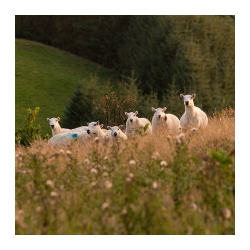
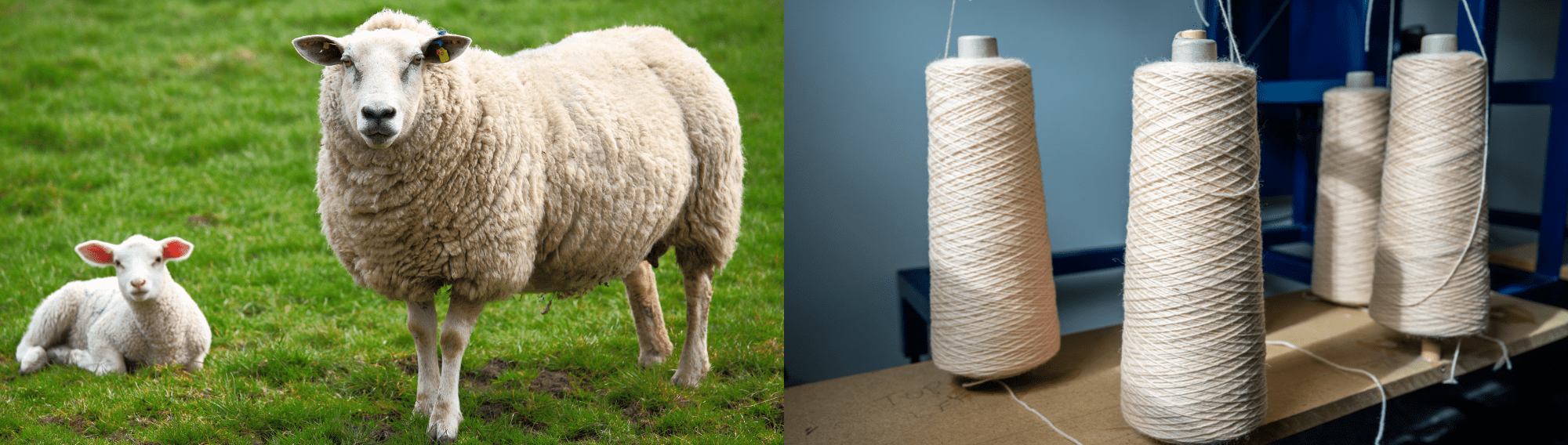
In fact, every cone of Appletons wool starts life exactly where you might expect. On a sheep, out in the British countryside.
Let’s take a friendly look at the journey from fleece to yarn and the traditional processes that help create the wool used in Appletons tapestry and crewel yarns.
Step 1: Fleece – Where It All Begins
The story begins with sheep being sheared, usually once a year in spring or early summer. Shearing is essential for the wellbeing of the sheep, helping them stay cool during warmer months.
Once the fleece has been removed, it is sent to the British Wool Board, the national organisation that collects, grades and sells wool on behalf of British farmers.
Here, each fleece is carefully sorted and graded. Experts assess factors such as:
- Staple length (the length of the fibre)
- Colour
- Quality and strength
At Appletons, wool with a longer staple length is preferred, and we tend to select wool that has come from a hog, a sheep in its first year of shearing. This is because the fibres have had longer to grow, often 15 months rather than 12 in older sheep, so
they tend to be longer and stronger, which helps create a high-quality yarn.
Another important factor is colour. A beautifully white fleece takes dye more evenly, helping Appletons achieve the vibrant shades stitchers love.
Once graded, the wool is sold at auction and the transformation truly begins.
Step 2: Scouring – A Thorough Clean
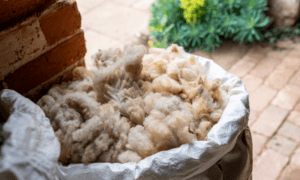
Freshly shorn wool still contains natural grease (called lanolin), dirt and plant matter. Before it can be spun, it needs a deep clean. This process is called scouring, which simply means washing the wool.
The fleece travels through a series of large vats filled with warm water and specialised detergent. These baths gently remove grease, dirt and other impurities while preserving the natural strength of the fibres.
By the end of the process, the wool is clean, soft and ready for the next stage.
Step 3: Carding – Aligning the Fibres
Next comes carding, a process that begins to organise the fibres. Large carding machines use fine wire-covered rollers to:
- Separate the wool fibres
- Align them in roughly the same direction
- Remove shorter fibres and remaining debris
What emerges from the carding machine looks a little like a soft woolly web. This is then condensed into long, loose ropes of fibre known as sliver.
At this stage, the wool is cleaner and more organised, but it still needs further refinement before it can be spun.
Step 4: Combing – Refining the Wool
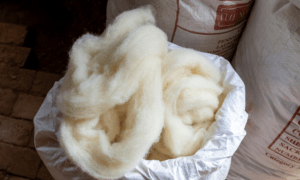
To create the smooth, high-quality yarn Appletons is known for, the fibres go through combing. This further aligns the fibres and removes the shorter ones, producing a very uniform strand, ensuring that only the strongest, longest fibres continue through the process.
The result is a smoother, stronger fibre preparation that is ideal for worsted spinning, the method used for Appletons yarn.
Step 5: Drafting – Preparing for Spinning
Once combed, the wool sliver moves to the drafting stage where machines gently stretch and thin the sliver, ensuring the fibres are evenly distributed and ready to be spun into yarn. This stage helps control the thickness and consistency of the final thread.
It’s a crucial step in producing yarn that behaves reliably for stitchers, with a smooth, even feel from beginning to end.
Step 6: Spinning – Creating the Yarn
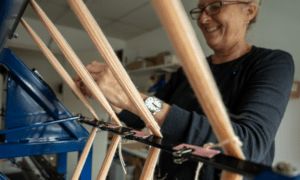
Now the transformation becomes visible.
During spinning, the drafted fibres are twisted together to form a continuous strand of yarn. Appletons wool is spun using the worsted spinning method, which produces a smooth, strong and durable thread.
Worsted yarns are particularly well suited to needlepoint and crewel work because they:
- Have a smooth finish
- Resist pilling
- Produce crisp, defined stitches
Step 7: Twisting – Building the Final Yarn
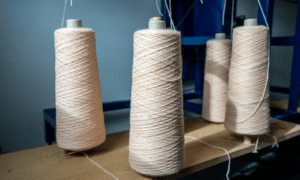
The final stage is twisting, also known as plying.
Multiple spun strands are twisted together to form the finished yarn. Appletons produces:
- Two-ply crewel wool
- Four-ply tapestry wool
The twisting process strengthens the yarn and gives it the structure needed for different types of embroidery and needlepoint.
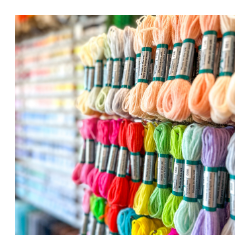
Once this stage is complete, the yarn is wound onto cones and prepared for the next part of its journey: hanking and dyeing, where it receives the vibrant colours that make Appletons wool so distinctive.
A Heritage of British Wool
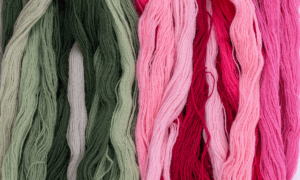
Appletons has been producing fine embroidery and tapestry wools since 1835, working closely with British wool and traditional spinning techniques to maintain exceptional quality.
From sheep grazing in British fields to carefully spun yarn ready for stitching, every step in the journey is designed to preserve the natural qualities of wool while producing a thread that makers can rely on.
And the next time you thread your needle, you’ll know that your yarn has travelled quite a remarkable path to reach your canvas.
 Back To Appletons Insights